April 15, 2026
In the early stages of life, children undergo significant social-emotional development that lays the groundwork for future interactions and emotional well-being. Understanding these processes is essential for parents, educators, and caregivers who support young children's overall growth. This foundational phase of early childhood educations involves the development of skills that allow children to form relationships, communicate emotions, and explore their environments with confidence.
Early support plays an important role in shaping these abilities, contributing to both social and academic readiness over time. As children grow, recognizing the various influences on their social-emotional development can help guide effective support strategies. Strong early childhood educations programs can provide consistent opportunities for children to practice these skills in structured and engaging environments.
Foundational Social-Emotional Development
Build Attachment and Bond with Caregivers
The relationship between caregivers and children is central to early social-emotional development. Secure attachment provides a foundation for children to explore their surroundings while feeling safe and supported. This bond influences how children form relationships and respond to new experiences in early childhood educations settings.
Shape Early Emotional Experiences
Early emotional experiences play a key role in shaping how children understand and respond to the world around them. Positive interactions, such as nurturing communication and consistent care, support healthy development and encourage emotional awareness. These experiences help children begin to recognize feelings and build connections with others in early childhood educations environments.
Support Secure Attachment
Overall, secure attachment supports a child's ability to regulate emotions and interact with others effectively. Children who feel supported are more likely to explore their environment, engage in learning activities, and develop independence. This sense of security contributes to both social development and readiness for structured early childhood educations programs.
Key Social-Emotional Development Milestones
Recognize Emotions in Themselves and Others
As children grow, they begin to recognize and understand emotions in themselves and others. This skill supports communication and helps children navigate social situations. Activities such as storytelling, group discussions, and guided interactions can encourage emotional awareness in early childhood educations settings.
Develop Empathy and Understand Feelings
Empathy allows children to connect with others and understand different perspectives. Through shared activities and guided interactions, children can begin to recognize how others feel and respond thoughtfully. Encouraging open communication helps support this development over time.
Influential Social-Emotional Growth Factors
Understand Family and Cultural Influences
The family environment plays a significant role in shaping a child's understanding of emotions and relationships. Daily interactions, communication styles, and cultural values all contribute to how children express themselves and engage with others. These influences often carry over into early childhood educations settings.
Address Socioeconomic Factors
Access to resources and learning opportunities can influence social-emotional development. Supportive environments, both at home and in structured programs, help provide children with opportunities to build essential skills. Early childhood educations programs can help create consistency and support for children from a variety of backgrounds.
Support Childcare and Early Education
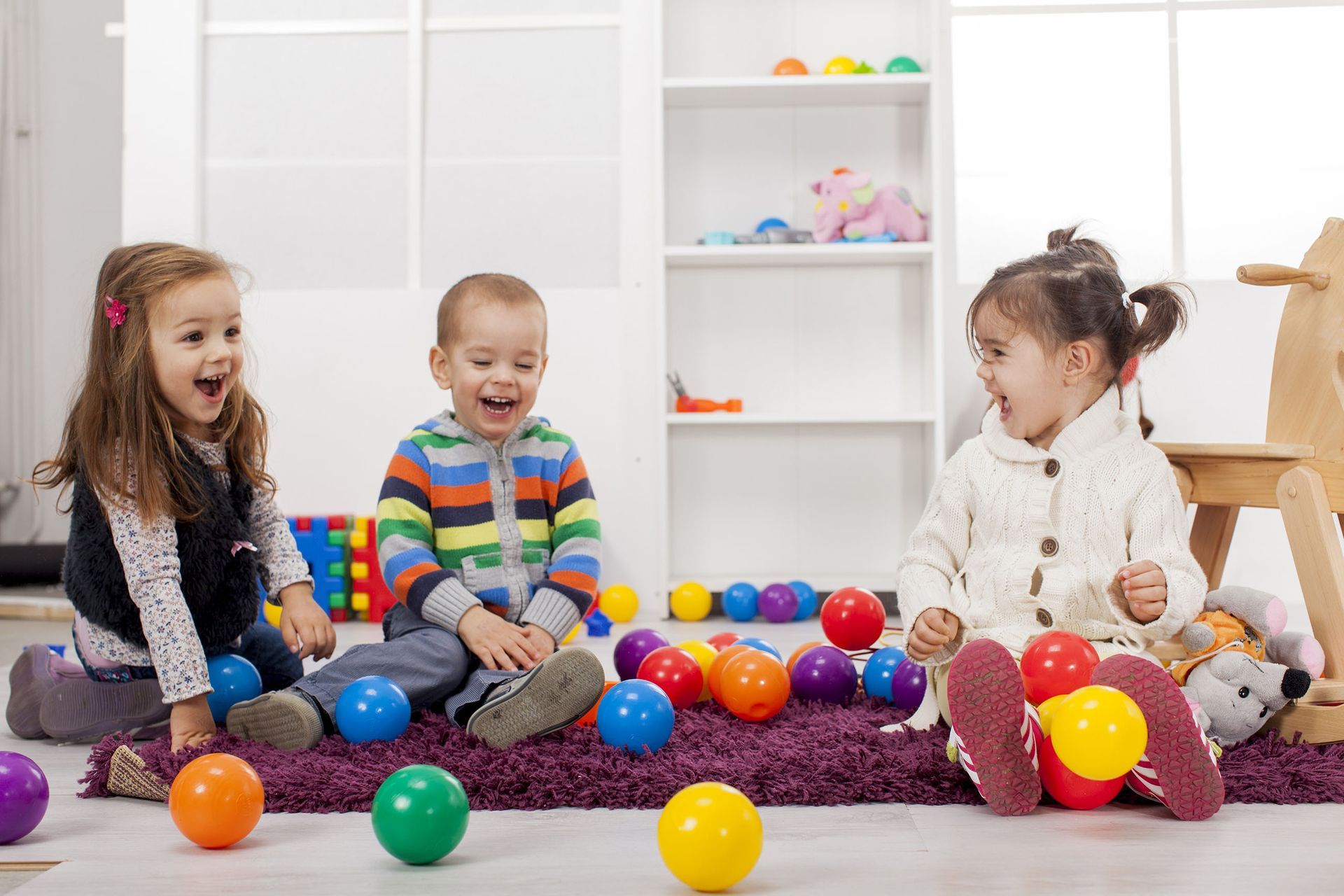
Early learning environments provide children with opportunities to interact with peers and engage in structured activities that support social-emotional growth. Guided instruction, hands-on learning, and collaborative play all contribute to skill development in areas such as communication, cooperation, and independence. According to the University of Virginia, in a study of 588 preschool-aged children, those in a Montessori education performed better by the end of the program.
Encourage Peer Interactions and Social Learning
Interactions with peers allow children to practice communication, cooperation, and problem-solving. These experiences help children understand social dynamics and build confidence in group settings. Consistent opportunities for interaction support ongoing development in early childhood educations environments.
Common Social-Emotional Development Challenges
Recognize Emotional Needs in Early Childhood
Recognizing children's emotional needs early on helps caregivers and educators provide appropriate support within everyday environments. Children may express emotions in different ways, and understanding these signals allows adults to respond with patience and consistency. This approach supports development in both home and early childhood educations settings.
Manage Stress in Early Life
Stress can influence how children respond to their environment and interact with others. Providing stable routines and supportive relationships helps create a sense of security. Consistent care and positive interactions can support resilience over time in early childhood educations environments.
Support Early Communication Development
Communication skills develop through regular interaction and engagement. Language-rich environments that include conversation, storytelling, and group activities help children build confidence in expressing themselves. These experiences are commonly integrated into early childhood educations programs.
Encouraging participation and providing opportunities for interaction support continued growth in communication abilities. Over time, consistent exposure to language and social interaction strengthens these skills.
Adapt to Individual Learning Differences
Children develop at their own pace, and learning environments can support these differences by offering flexible and engaging activities. A balance of independent exploration and guided instruction allows children to build skills in a way that suits their developmental stage. Early childhood educations settings often incorporate these approaches to support diverse learners.
Inclusive environments help ensure that all children feel supported as they grow socially and emotionally. Encouraging participation and providing adaptable learning opportunities can help children build confidence over time.
Effective Social-Emotional Growth Strategies
Create Supportive Home Environments
Supportive home environments encourage children to express themselves and develop communication skills. Consistent routines and open conversations help create stability and build emotional awareness. These habits can reinforce what children experience in early childhood educations settings.
Integrate Social-Emotional Learning in Daily Activities
Social-emotional learning can be incorporated into everyday activities through guided play, group interaction, and structured routines. These experiences help reinforce important skills such as cooperation and emotional awareness. Consistency across different environments helps children strengthen skills.
Guide Social-Emotional Development as Educators
All in all, educators support development by modeling positive behavior and guiding children through social interactions. Consistent expectations and supportive communication help create a stable learning environment. These practices are a core part of early childhood educations programs.
Encourage Structured and Unstructured Play
Both structured and unstructured play provide valuable opportunities for development. Guided activities focus on specific skills, while open-ended play allows children to explore and interact naturally with peers. This balance supports a wide range of social-emotional skills.
Practical Social-Emotional Development Observation
Use Observation and Documentation Techniques
Observing children's interactions and behaviors helps caregivers and educators understand their development. Informal observation and documentation can provide insight into social and emotional growth over time. These practices are often used in early childhood educations.
Follow Developmental Checkpoints
General developmental milestones can help guide expectations for social-emotional growth. These checkpoints provide a framework for understanding typical patterns of development. They are often referenced within early childhood educations programs to support planning and observation.
Maintain Parent and Teacher Communication
Regular communication between caregivers and educators helps support consistency across environments. Sharing observations and experiences allows for a more complete understanding of a child's development. This collaboration is an important part of early childhood educations.
Track Growth Over Time
Monitoring progress over time helps identify patterns and areas where additional support may be beneficial. Consistent observation supports thoughtful guidance and planning. These practices help ensure children continue progressing at a comfortable pace.
For families exploring early learning options, Little Explorer Montessori offers programs that support social-emotional development through hands-on activities, structured play, and individualized guidance. With an emphasis on Montessori principles and a supportive classroom environment, children can build confidence, strengthen communication skills, and engage in positive peer interactions. Learn more about how Little Explorer Montessori creates meaningful early learning experiences designed to support each child's growth.